
Drifting: Car Sliding While Putting on a Show…Performance and Style
Drifting – the art of car sliding in competition, may be the fastest-growing motorsport. Made popular in America by such drifting-focused films as “Fast and Furious: Tokyo Drift,” “Mischief 3000,” “Evolusi KL Drift,” “Drift The Sideways Craze” and the manga anime “Initial D,” along with an homage to the skill in the animated “Cars” film, drifting is as much about performing as performance, as putting on a good show is what enthusiasts like to see and how points are scored.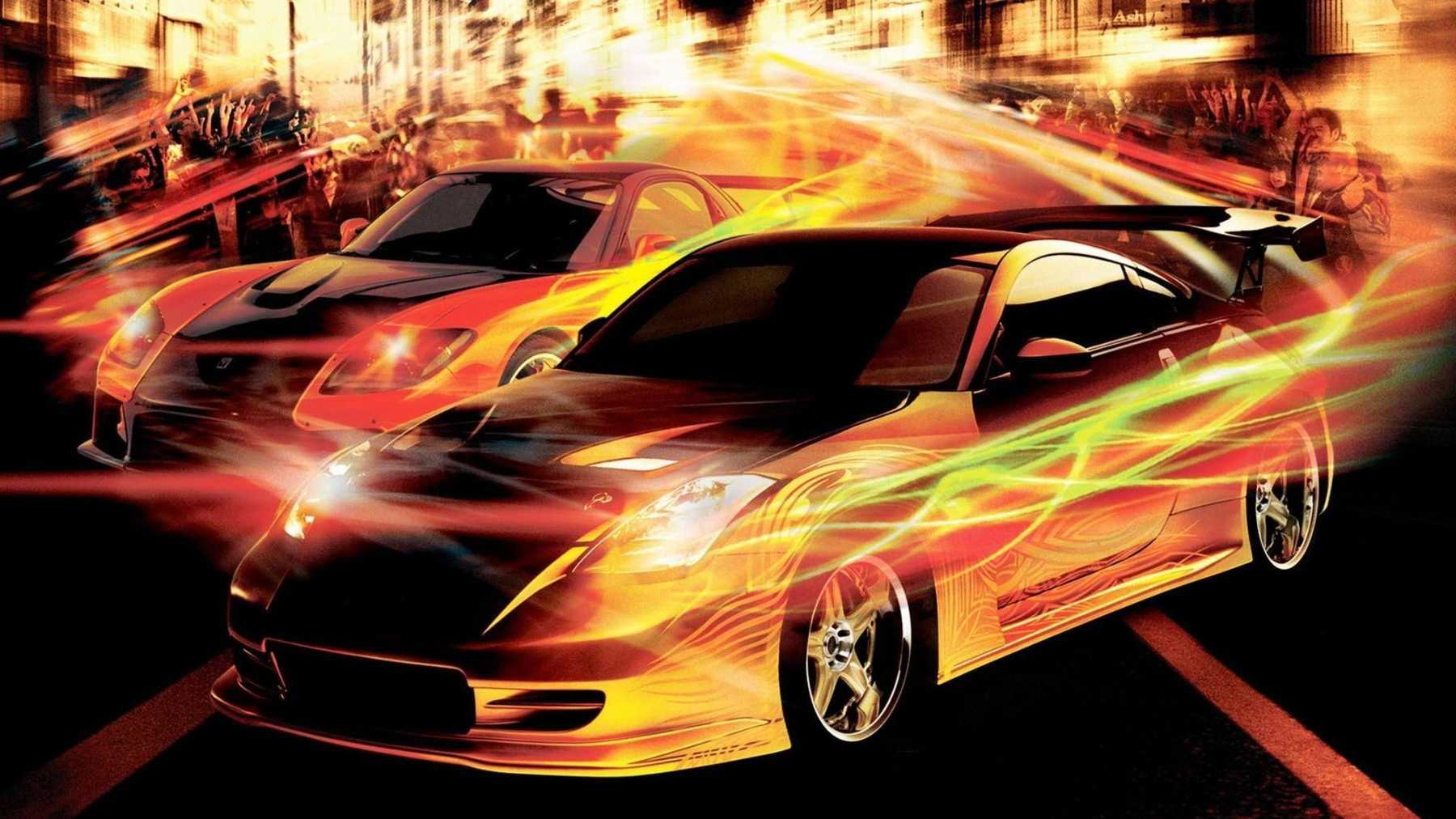
To maintain the best speed possible during rallies, races or just entertaining fans by showing off, drivers employ a technique known as drifting, in which the driver purposely oversteers, with loss of traction, while maintaining control and driving the car through the entirety of a corner. This practice causes the rear slip angle to exceed the front slip angle so that, in many cases, the front wheels point in the opposite direction to the turn – so if the car is turning left, the wheels are pointed right or vice versa. This situation is also called opposite lock or counter-steering. Drifting differs from “four-wheel-drift” used in Grand Prix and sports car racing, in which cornering at high speed is aided by clutch kicking, then purposely oversteering and countersteering.
Sliding sideways at high speeds has been an American practice since the automobile got into the hands of those who saw the car as more than simply transportation, but the genre of drifting has its beginnings in Japan … or Sweden.
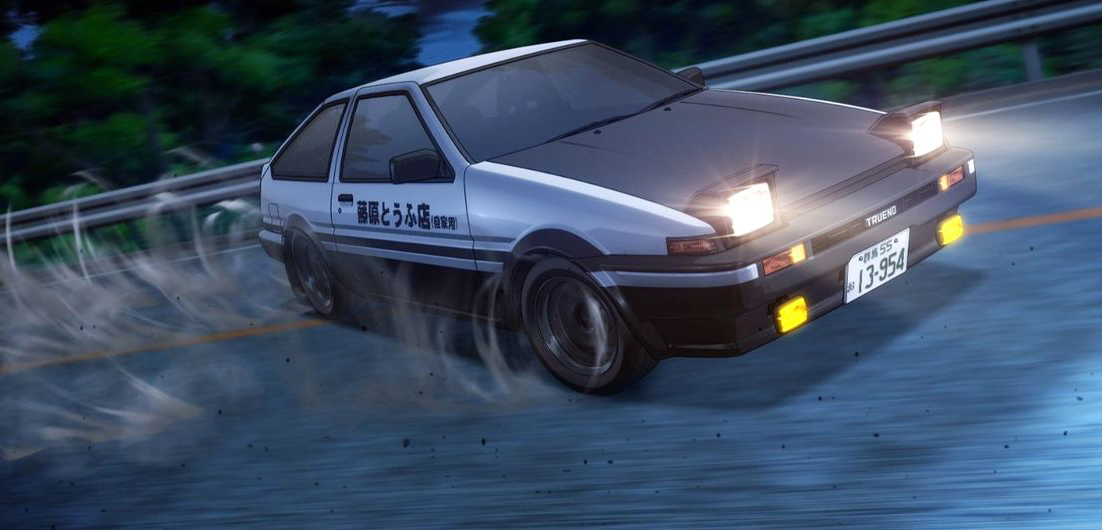 The most widely accepted origin story is that in the 1970s, Keiichi Tsuchiya introduced sliding during races, a technique he developed after watching motorcycle racer/auto racer Kunimitsu Takahashi drift in the All-Japan Touring Car Championships. Tsuchiya honed his skills while racing on Japanese mountain roads and became known as “Drift King”. A lesser-known beginning is credited to a Scandinavian practice of “flicking,” a technique of initiating oversteer using the handbrake, to prevent the vehicle losing momentum on the track during rallies. This thread goes on to say that Japanese racers picked up the technique, revolutionized it and led to a sport all its own. From there, we still go back to Tsuchiya, who starred in the first drifting video, “Pluspy,” which inspired racers and organizers to hold the first major drifting event: the D1 Grand Prix, in 2000.
D1, founded by Option drifting magazine magnate, Daijiro Inada, was originally called “The All Japan Professional Drift Championship,” and was not the first organized drift event or even first drift competition, but it was embraced by Japanese media and was publicized in magazines and videos. Early drift events migrated to America, and even before D1, Inada, presented a drifting event in 1966 at Willow Springs (CA) Raceway. Drifting has since evolved into an international sports phenomenon in which drivers manipulate their rear-wheel-drive (in most cases) modified performance rides in various maneuvers to earn points based on judges’ scoring. One such maneuver is having the driver keep the car sliding for extended periods of time, often linking several turns.
Few competitions are for speed as with typical races, so there’s no checkered flag. Most events involve a figure-skating (complete the maneuver) regimen, or follow-the-leader approach in which drivers must follow the line of the lead vehicle and NOT pass. Other points can be awarded to those with the highest speed for the angle carried through the course. The fewer corrections needed through the course are also worthy of style points. Spinning is a point-loser, unless the lead driver spins in a follow-the-leader event. Tire smoke counts and when allowed, a legal pass gains points. In case of a tie, there is often a solo demonstration of the pass … and just like in a slam dunk contest, style prevails. Judges, generally a three-judge panel, award points on speed, angle of attack, precision, control, keeping the car in a straight driving line and style-style-style.
Drift cars are usually light- to moderate-weight rear-wheel-drive coupes and sedans, and power levels vary widely. Often, competitors will convert all-wheel-drive cars to RWD, as AWD rides have been banned from most of today’s events. Popular AWD conversions include Nissan GT-R, Subaru WRX, Toyota Avensis, Scion tC and Mitsubishi Lancer Evolution.
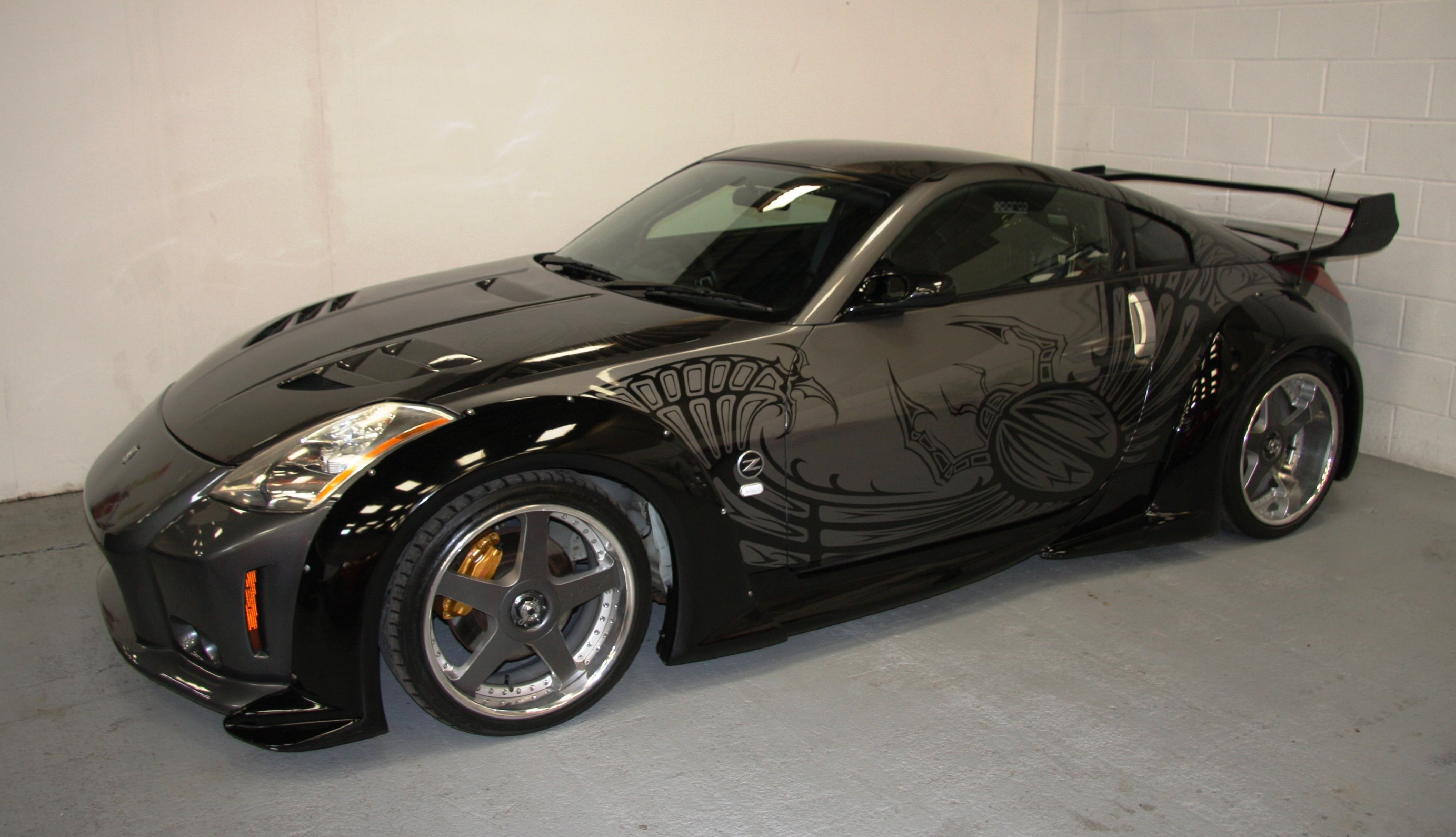 In early events, the top performing cars were Nissan 350Z, Dodge Viper and Charger, Nissan 370Z and Scion tC with healthy competition from Mazda RX-7 and Pontiac Solstice.
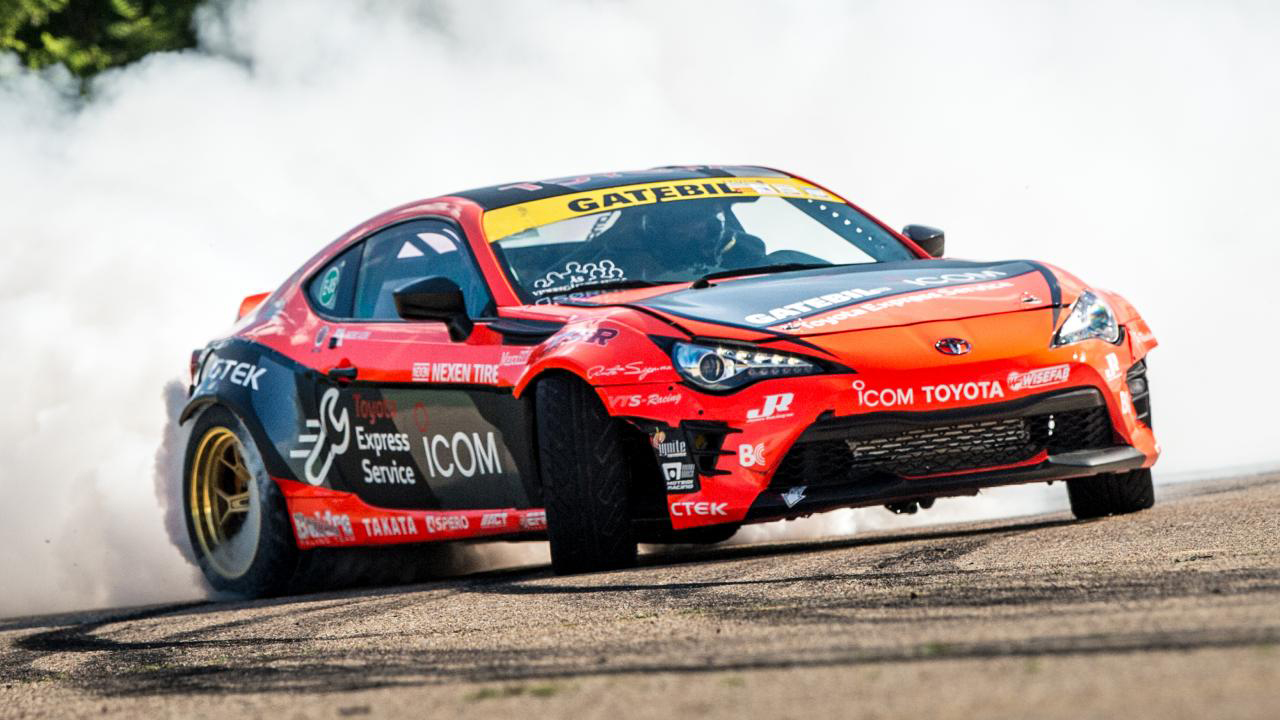 While any performance vehicle that has been modified to take on the genre can compete, today’s most popular drift cars cover badges from across the world, with heavy emphasis on Nissan. Among the top performers are Nissan’s 370Z, 350Z, 240SX, 200SX and Silvia S14; Toyota 86 and the old Corolla AE86; Scion FR-S; Honda S2000; Lexus IS300; Subaru BRZ; and Mazda RX-7 and MX-5. Germany is represented with Mercedes-Benz AMG GT 63S, and BMW slides with E36, E46 and the M5. It is the M5 that holds the record for longest continuous drift, breaking the mark set by Toyota GT86. America comes to the fray with such performers as Ford Mustang, the old Goat -- Pontiac GTO and Ford Focus.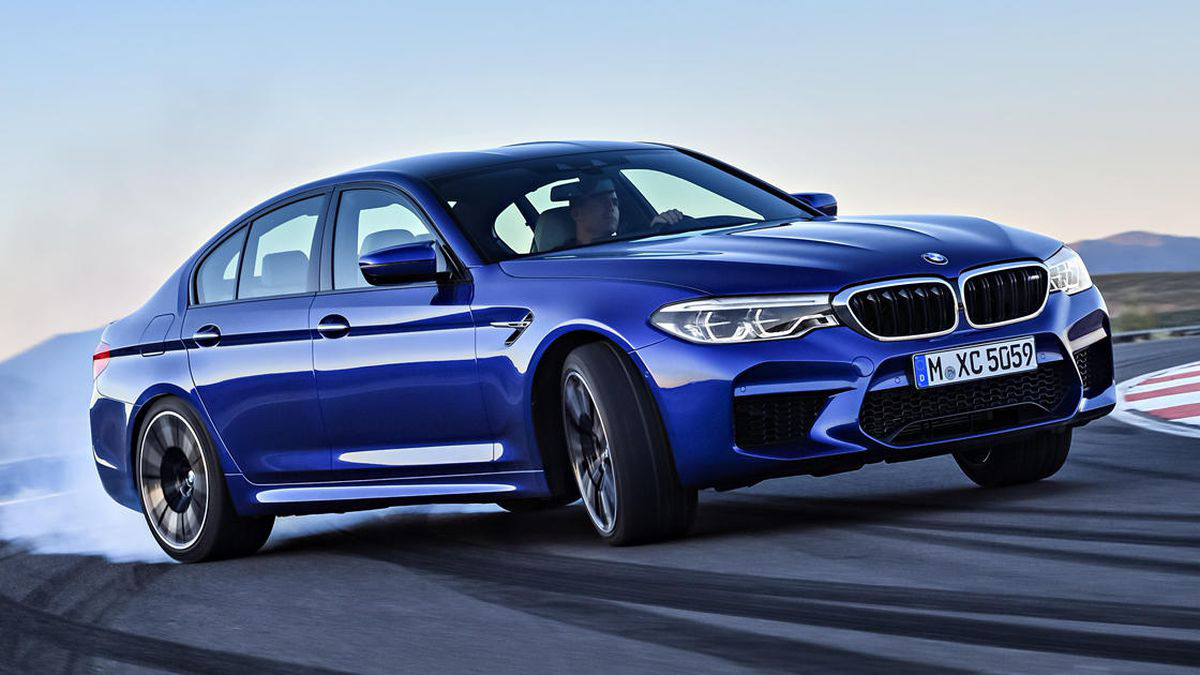
So get your motor running and slide with style…fast and furious with your styling drift. In fact, if you want to drift AND enjoy a car show, the Carlisle Import & Performance Nationals (May 14-15) offers you both. From an international Showfield to drifting and autocross by way of NICOFest, the weekend gives you a chance to have fun, all while pushing your ride and driving skills to the test. Register for the event, purchase discounted spectator tickets or learn more about NICOFest at CarlisleEvents.com or by calling 717-243-7855 today.
Mike Blake, former editor of KIT CAR magazine, joined Carlisle Events as senior automotive journalist in 2004. He's been a "car guy" since the 1960s and has been writing professionally for about 30 years.
Book with a preferred Hotel

Book online or call (800) 216-1876



-(1).png?sfvrsn=f108493a_2 "Hemmings")




Leave a commentOrder by
Newest on top Oldest on top